







Apple’s financial strength is no longer measured simply by how many iPhones it sells each year. The company has built a sophisticated capital allocation engine that connects hardware, services, cash generation, share repurchases, dividends, and long-term investment. This creates a business model where the value of Apple’s enormous customer base extends well beyond individual product purchases.
For investors, understanding this engine provides a more complete way to assess the company. Revenue growth remains important, but so do recurring income, margins, free cash flow, capital allocation decisions, and the valuation placed on future earnings. Examining these elements together can reveal why Apple’s financial performance can remain resilient even as individual product cycles change.
Services Growth Is Reshaping Apple’s Business
Apple’s Services business has become an increasingly important part of its overall financial profile. Services span several categories, including subscriptions, the App Store, advertising, cloud storage, payment-related services, and digital content. These offerings benefit from Apple’s large installed base and can generate recurring or repeat revenue without requiring customers to purchase a new physical device each time.
The economics of Services are also important because digital products can have different cost structures from hardware. Once platforms and infrastructure are established, additional revenue may contribute meaningfully to profitability. This makes Services growth relevant not only for Apple’s top line but also for its ability to support margins and cash generation over time.
The company’s ecosystem strengthens this model. Customers often use several Apple products together, creating opportunities to introduce complementary services. Someone who purchases an iPhone may also use iCloud, Apple Music, Apple Pay, or other offerings. This interconnected model can increase customer engagement and create additional revenue opportunities throughout the life of the customer relationship.
Buybacks Strengthen Per-Share Economics
Apple’s significant share repurchase program is another major part of its capital allocation strategy. When a company repurchases shares, the number of outstanding shares decreases. If net income remains stable or grows, that reduction can increase earnings attributable to each remaining share. As a result, buybacks can contribute to earnings-per-share growth even when overall profit growth is more moderate.
However, the price paid for those shares matters. Repurchasing stock at a reasonable valuation can potentially create greater long-term value than buying the same shares when they are extremely expensive. This is why investors should evaluate Apple’s repurchases alongside its market valuation rather than assuming that every buyback automatically creates equal economic benefit.
Apple also has to balance shareholder distributions with reinvestment. The company continues to allocate substantial resources toward research and development, new technologies, infrastructure, and its global operations. Dividends and repurchases therefore form only part of a broader capital allocation strategy designed to return excess cash while preserving the resources needed to develop future products and services.
Valuation Determines What Growth Is Worth
Even a highly profitable company can produce different investment outcomes depending on the price investors pay for its shares. Apple’s future earnings and cash flows are ultimately what support its valuation, but market expectations can change significantly depending on interest rates, economic conditions, technology trends, and investor sentiment.
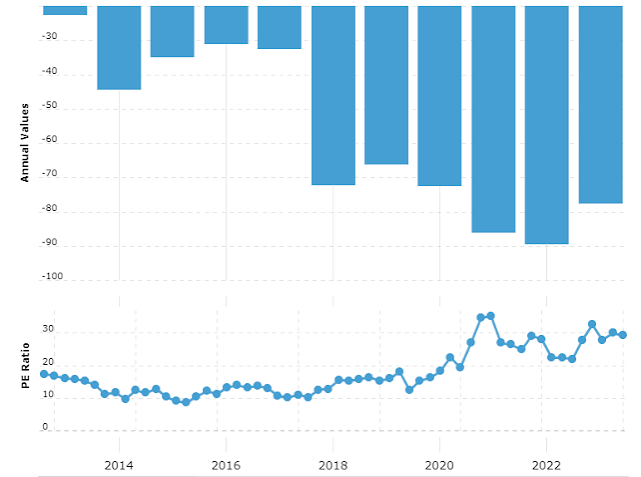
This makes the valuation of Apple stock an important part of the broader analysis. Investors can examine metrics such as the price-to-earnings ratio, free-cash-flow yield, earnings growth expectations, and historical valuation ranges. These measures do not predict future performance, but they can help investors understand whether the market price already assumes a significant amount of future growth.
Valuation regimes can shift over time. During periods when investors place substantial premiums on companies with strong cash generation and durable competitive advantages, Apple’s shares may command higher multiples. When markets become more focused on interest rates or valuation discipline, the same earnings profile may receive a lower multiple. Consequently, understanding Apple’s business performance and understanding its valuation are related but separate exercises.
Connecting the Pieces of Apple’s Capital Engine
The most useful perspective comes from examining Apple’s financial components together. Services growth can improve the revenue mix, strong margins can support operating profits, and substantial free cash flow can fund dividends and share repurchases. Those repurchases can then reduce the share count and potentially increase earnings per share. At the same time, the market’s valuation determines how much of this financial strength is already reflected in the share price.
This framework encourages investors to look beyond individual quarterly headlines. Instead of focusing solely on iPhone shipments or total revenue, it is useful to consider whether Services continues expanding, whether margins remain durable, how much cash the business generates, and how effectively management deploys that cash. Investors can then compare those fundamentals with the expectations embedded in the company’s current valuation.
Conclusion
Apple’s investment story ultimately depends on more than product popularity. Its long-term financial performance is shaped by the combination of Services growth, durable margins, free cash flow, disciplined capital allocation, and the valuation investors assign to future earnings. Each factor deserves attention because strength in one area does not automatically compensate for weakness in another.
For investors evaluating Apple, the most useful approach is therefore to consider the entire capital allocation engine rather than relying on a single metric. Understanding how recurring revenue, profitability, buybacks, reinvestment, and valuation interact can provide a clearer picture of the company’s financial position and the expectations built into its market price.