









The battle between streaming and cable for sports broadcasting dominance has reached an inflection point. For decades, live sports were cable television’s most powerful retention tool—the reason millions of households maintained expensive packages. That leverage is eroding. Digital platforms have grown sophisticated enough to deliver live sports reliably at scale, and fan preferences have shifted accordingly. Platforms like Sportsurge reflect a broader appetite for flexible, accessible sports coverage that cable packages have historically failed to provide affordably.
How Many Sports Fans Have Switched From Cable to Streaming?
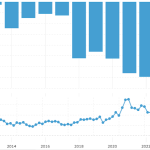
The data paints a clear picture. According to Leichtman Research Group, US pay-TV subscriptions declined by approximately 5.8 million in 2023 alone. Meanwhile, sports streaming platform usage grew by 22% year over year during the same period. The transition is not hypothetical—it is actively underway, driven by a combination of cost pressures, expanded streaming catalogs, and generational preference shifts.
What Percentage of Sports Are Now Streamed Rather Than Broadcast on Cable?
This varies significantly by sport and market. In the US, digital rights deals have accelerated streaming’s share rapidly:
NFL games now stream exclusively on Amazon Prime Video on Thursday nights
NBA has expanded its streaming rights partnerships significantly
Major League Baseball streams games across multiple digital platforms
UEFA Champions League matches are available across various streaming services globally
Industry analysts at S&P Global estimate that streaming will account for 40% of all live sports viewership in the US by 2027.
Why Are Younger Fans Abandoning Cable Sports Packages?
Cost is the primary driver, but it is not the only one. Young sports fans also value:
Flexibility: Streaming on any device, anywhere
No long-term contracts: Freedom to subscribe and cancel monthly
Personalization: Customized highlight feeds and replay features
Social integration: Platforms that connect with Twitter/X, Discord, and fan communities
Cable’s bundled model—paying for hundreds of channels to access a handful of sports—feels increasingly outdated to audiences who expect à la carte digital experiences.
How Are Traditional Broadcasters Responding to Streaming Competition?
Legacy broadcasters are not standing still. ESPN launched ESPN+, Fox created Tubi for free ad-supported streaming, and NBC operates Peacock with sports content. The strategy is clear: maintain cable revenue while building parallel streaming audiences before the full transition occurs. Rights holders are also negotiating hybrid deals—selling broadcast rights alongside separate streaming rights to maximize revenue from both channels simultaneously.
What Sports Broadcasting Rights Are Worth in the Streaming Era?
Rights valuations have surged. The NFL’s current broadcast deal—signed in 2021—is worth approximately $113 billion over 11 years across all partners including streaming platforms. The NBA’s new media rights deal, finalized in 2026, is valued at roughly $76 billion over 11 years. These figures reflect how much streaming platforms are willing to invest to secure premium live sports content.
Is streaming live sports as reliable as cable in 2026?
For most users with a stable broadband connection of 25 Mbps or higher, streaming quality is comparable to cable. The main remaining drawback is latency, typically 30–90 seconds behind live broadcast.
Which streaming service has the best sports coverage in the US?
Coverage depends on preferred sports. ESPN+ leads for combat sports and college athletics. Amazon Prime Video holds exclusive NFL Thursday Night Football rights. Peacock carries select NFL and Premier League matches.
Can I watch sports without any subscription in 2026?
Yes, through advertising-supported free platforms and network broadcast apps. However, premium leagues and marquee events typically require paid access.
Do streaming sports platforms offer DVR-style replay features?
Many do. Cloud DVR functionality is increasingly standard on paid sports streaming services, allowing users to rewatch games on demand.
Will cable sports packages become obsolete?
Not immediately. Cable retains strong viewership among older demographics and in households with bundled internet and TV packages. Full obsolescence is likely a decade or more away.